
Key Takeaways Eczema flare-ups can be influenced by multiple factors, including skin barrier function, environmental triggers, stress, allergens, and lifestyle habits. Alternative medicine for eczema is increasingly explored by individuals seeking a personalized and holistic approach to skin wellness. Managing eczema often involves identifying potential triggers and developing consistent skincare and lifestyle routines. A comprehensive …

Key Takeaways
- Eczema flare-ups can be influenced by multiple factors, including skin barrier function, environmental triggers, stress, allergens, and lifestyle habits.
- Alternative medicine for eczema is increasingly explored by individuals seeking a personalized and holistic approach to skin wellness.
- Managing eczema often involves identifying potential triggers and developing consistent skincare and lifestyle routines.
- A comprehensive eczema care strategy may combine healthy habits, professional healthcare guidance, and individualized wellness approaches.
Alternative medicine for eczema may help support efforts to reduce flare-ups by encouraging a personalized approach that considers lifestyle habits, environmental influences, stress management, nutrition, and overall skin wellness. Many individuals explore complementary strategies alongside their broader skin health plans to better understand factors that may contribute to recurring symptoms.
Eczema is one of the most common chronic skin conditions worldwide. It affects individuals of all ages and is often characterized by periods of symptom improvement followed by flare-ups. These flare-ups can vary in frequency, severity, and duration, making eczema management highly individualized.
As awareness of holistic health continues to grow, many people are exploring alternative medicine for eczema as part of a broader effort to support long-term skin wellness and improve their understanding of personal triggers.
Understanding Eczema
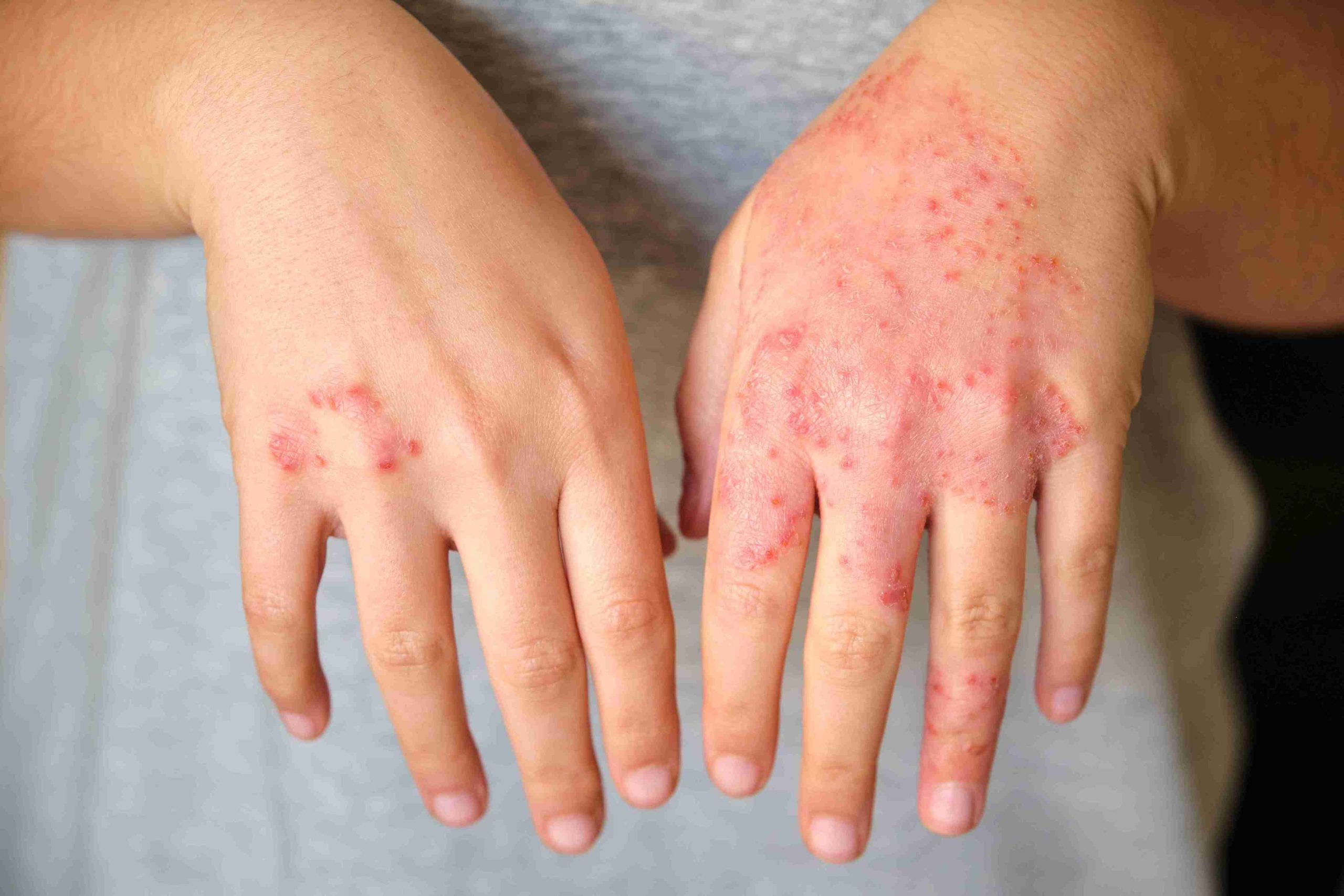
Eczema, often referred to as atopic dermatitis, is a condition associated with skin irritation, dryness, and increased sensitivity [1]. Symptoms may vary between individuals but commonly include:
- Dry skin
- Itching
- Redness
- Skin sensitivity
- Rough or scaly patches
- Intermittent flare-ups
The exact causes of eczema are complex and may involve genetic, environmental, immune-related, and lifestyle factors [2]. Because eczema can affect individuals differently, identifying the factors that contribute to flare-ups often requires a personalized approach.
Why Eczema Flare-Ups Occur
Flare-ups can occur when the skin barrier becomes disrupted or when individuals encounter factors that may trigger symptoms. Common triggers include:
- Environmental irritants
- Seasonal changes
- Stress
- Allergens
- Harsh skincare products
- Certain fabrics
- Changes in humidity
The presence of multiple triggers can make it challenging to determine exactly what is contributing to recurring symptoms. This complexity is one reason some individuals explore alternative medicine for eczema as part of a broader wellness strategy aimed at identifying patterns that may influence skin health.
Common Factors That May Influence Eczema
The following table highlights factors commonly associated with eczema flare-ups.
| Factor | Potential Influence on Skin Wellness |
| Environmental Irritants | May contribute to skin sensitivity |
| Stress Levels | Can affect overall well-being and skin comfort |
| Climate Conditions | Changes in temperature and humidity may influence symptoms |
| Skincare Products | Certain ingredients may affect sensitive skin |
| Lifestyle Habits | Sleep, hydration, and routines may impact skin health |
| Nutrition | May influence overall wellness and skin function |
| Allergens | Can contribute to skin irritation in some individuals |
Understanding these factors may help individuals develop a more personalized approach to managing flare-ups.
The Growing Interest in Personalized Skin Wellness
Personalized wellness has become a major trend in healthcare and self-care. Rather than relying exclusively on generalized recommendations, many individuals want strategies that reflect their unique experiences, triggers, and lifestyle patterns.
This shift toward individualized care has contributed to growing interest in alternative medicine for eczema. Many people appreciate wellness approaches that encourage greater self-awareness and a deeper understanding of the factors that may influence skin health.
Personalization recognizes that two people with eczema may experience very different symptoms, triggers, and wellness needs.
Stress and the Skin Connection
Stress is frequently discussed as a factor that may influence skin comfort and overall well-being [3]. The relationship between emotional wellness and skin health is complex. During periods of increased stress, some individuals report changes in their skin symptoms and overall comfort levels. Stress may influence:
- Sleep quality
- Daily routines
- Self-care habits
- Perception of symptoms
- General well-being
For this reason, many approaches involving alternative medicine for eczema emphasize stress management techniques as part of a comprehensive wellness plan. Relaxation practices, mindfulness, and healthy lifestyle habits are often incorporated into broader skin wellness strategies.
Nutrition and Skin Wellness
Nutrition plays an important role in supporting overall health, including skin function [4]. A balanced diet may contribute to:
- Nutrient availability
- Hydration
- General wellness
- Healthy skin maintenance
Some individuals choose to monitor dietary habits when exploring potential factors that may influence eczema flare-ups. Within wellness settings, complementary medicine for eczema may be incorporated into discussions about nutrition, lifestyle habits, and personalized approaches to skin health.
Rather than focusing on a single dietary factor, many practitioners encourage a balanced and sustainable approach to nutrition.
The Importance of Skin Barrier Support
The skin barrier serves as the body’s first line of defense against environmental influences [5]. When the skin barrier is functioning effectively, it helps:
- Retain moisture
- Protect against irritants
- Support overall skin resilience
Many individuals interested in complementary therapies for eczema focus on skincare routines that support hydration and barrier maintenance. Consistent skincare practices often play an important role in long-term skin wellness regardless of the specific wellness strategies being used.
Lifestyle Habits and Eczema Management
Daily habits can have a meaningful impact on skin health and overall well-being. Supportive lifestyle practices may include:
- Maintaining hydration
- Prioritizing sleep
- Managing stress
- Avoiding known irritants
- Following consistent skincare routines
- Engaging in regular physical activity
Many people exploring holistic approaches for eczema incorporate these foundational habits into their broader wellness plans. Small, consistent improvements in daily routines may help support overall skin comfort and quality of life.
Why Holistic Approaches Appeal to Many Individuals
A holistic perspective recognizes that skin health may be influenced by multiple interconnected factors rather than a single cause. These factors may include:
- Physical health
- Emotional well-being
- Environmental exposures
- Lifestyle habits
- Nutrition
- Sleep quality
Because eczema experiences vary considerably between individuals, integrative care for eczema is often explored as part of a broader effort to better understand these interconnected influences. This whole-person perspective appeals to individuals who value a comprehensive approach to wellness.
Working Alongside Professional Healthcare Guidance
Eczema symptoms can vary in severity and may require individualized care plans. Professional healthcare guidance can help individuals better understand their skin health needs, identify potential triggers, and develop appropriate management strategies [6].
Many people who explore alternative medicine for eczema view it as one component of a broader wellness approach that may also include conventional dermatological care, healthy lifestyle practices, and skincare support.
An integrated approach allows individuals to consider multiple perspectives while making informed decisions about their skin wellness goals.
Looking Beyond Individual Symptoms
Managing eczema often involves looking beyond isolated symptoms and considering broader lifestyle patterns. Questions that individuals may explore include:
- Are symptoms linked to specific environmental conditions?
- Does stress appear to influence flare-ups?
- Are sleep habits affecting overall wellness?
- Are skincare routines supporting skin barrier health?
- Are lifestyle factors contributing to recurring symptoms?
These broader considerations are frequently emphasized within approaches that include alternative medicine for eczema.
How Optimal Health Group Looks at Eczema and Skin Wellness
At Optimal Health Group, eczema and recurring skin concerns are approached from a holistic wellness perspective. Because skin flare-ups may be influenced by multiple factors, including stress, sleep quality, environmental triggers, skincare habits, food-related sensitivities, gut wellness, and overall immune balance, OHG focuses on helping clients explore the wider patterns that may affect their skin comfort.
Where suitable, OHG may incorporate BICOM® bioresonance, food sensitivity-focused assessments, lifestyle review, nutritional support, and other non-invasive wellness approaches as part of a broader skin wellness plan. This approach offers a complementary treatment method for individuals who want to better understand their lifestyle and wellness factors that may be connected to recurring flare-ups.
For eczema sufferers who feel stuck in a cycle of temporary relief followed by recurring symptoms, a personalised wellness approach may help create greater awareness of possible triggers and supportive habits.
Conclusion
Eczema flare-ups can be influenced by a wide range of factors, including environmental triggers, stress levels, skincare habits, nutrition, and overall lifestyle patterns. Because each person’s experience is unique, a personalized approach is often beneficial when seeking to better understand recurring symptoms.
Alternative medicine for eczema may help support efforts to reduce flare-ups by encouraging greater awareness of individual triggers, healthy lifestyle habits, stress management practices, and overall skin wellness.
When combined with professional healthcare guidance and consistent self-care routines, these approaches can contribute to a balanced and informed strategy for long-term eczema management and skin health.
If recurring eczema flare-ups have been affecting your comfort, sleep, confidence, or daily life, Optimal Health Group can help you explore a complementary skin wellness approach that considers food sensitivities, stress, lifestyle habits, gut wellness, and overall body balance.
References
- National Institute of Arthritis and Musculoskeletal and Skin Diseases. (2023). Atopic dermatitis (eczema). U.S. Department of Health and Human Services. https://www.niams.nih.gov/health-topics/atopic-dermatitis
- American Academy of Dermatology Association. (2024). Eczema types: Atopic dermatitis causes. https://www.aad.org/public/diseases/eczema/types/atopic-dermatitis/causes
- National Eczema Association. (2024). Stress and eczema. https://nationaleczema.org/eczema/causes-and-triggers/stress/
- National Eczema Society. (2024). Diet and eczema. https://eczema.org/information-and-advice/living-with-eczema/diet-and-eczema/
- Cork, M. J., Danby, S. G., Vasilopoulos, Y., Hadgraft, J., Lane, M. E., Moustafa, M., Guy, R. H., MacGowan, A. L., Tazi-Ahnini, R., & Ward, S. J. (2009). Epidermal barrier dysfunction in atopic dermatitis. Journal of Investigative Dermatology, 129(8), 1892–1908. https://doi.org/10.1038/jid.2009.133
- Wollenberg, A., Christen-Zäch, S., Taieb, A., Paul, C., Thyssen, J. P., de Bruin-Weller, M., Vestergaard, C., Seneschal, J., Werfel, T., Cork, M. J., et al. (2018). ETFAD/EADV Eczema Task Force 2018 position paper on diagnosis and treatment of atopic dermatitis in adults and children. Journal of the European Academy of Dermatology and Venereology, 32(5), 657–682. https://doi.org/10.1111/jdv.14891
Book a Consultation
It’s easy and free!