
Key Takeaways Bioresonance therapy and electro lymphatic therapy are complementary approaches that some individuals choose to incorporate alongside conventional medical care as part of a personalised wellness plan. The two therapies differ in their proposed approaches, treatment goals, and the technologies practitioners use. Complementary therapies are generally used alongside evidence-based medical care as part of …

Key Takeaways
- Bioresonance therapy and electro lymphatic therapy are complementary approaches that some individuals choose to incorporate alongside conventional medical care as part of a personalised wellness plan.
- The two therapies differ in their proposed approaches, treatment goals, and the technologies practitioners use.
- Complementary therapies are generally used alongside evidence-based medical care as part of a broader wellness approach. Individuals should consult qualified healthcare professionals to determine whether these therapies are appropriate for their personal health needs.
- Individuals considering either therapy should discuss their health concerns with a qualified healthcare professional and use complementary therapies as part of a broader healthcare plan when appropriate.
As awareness of preventive health and wellness continues to grow, more people are taking proactive steps to support their overall well-being. Alongside conventional medical care, some individuals also explore complementary therapies as part of their broader approach to relaxation, wellness, and symptom management. [1].
Among the options available, bioresonance therapy and electro lymphatic therapy are sometimes discussed together because both use specialised devices during treatment sessions. However, they are based on different concepts and are generally intended for different purposes.
Bioresonance therapy and electro lymphatic therapy are generally considered complementary therapies rather than conventional medical treatments. While both involve device-assisted sessions, they differ in their proposed mechanisms, intended applications, and the scientific evidence supporting their use.
Understanding these differences can help individuals have informed conversations with their healthcare providers and make decisions that align with their personal health goals.
Understanding Complementary and Alternative Therapies
The terms alternative and complementary are sometimes used interchangeably, but they have different meanings [2].
- Complementary therapies are used alongside conventional medical care.
- Alternative therapies are used instead of conventional medical treatment.
Many healthcare professionals encourage patients who are interested in complementary approaches to continue receiving evidence-based medical care, including routine health screenings, appropriate medications, and specialist consultations when needed.
What Is Bioresonance Therapy?
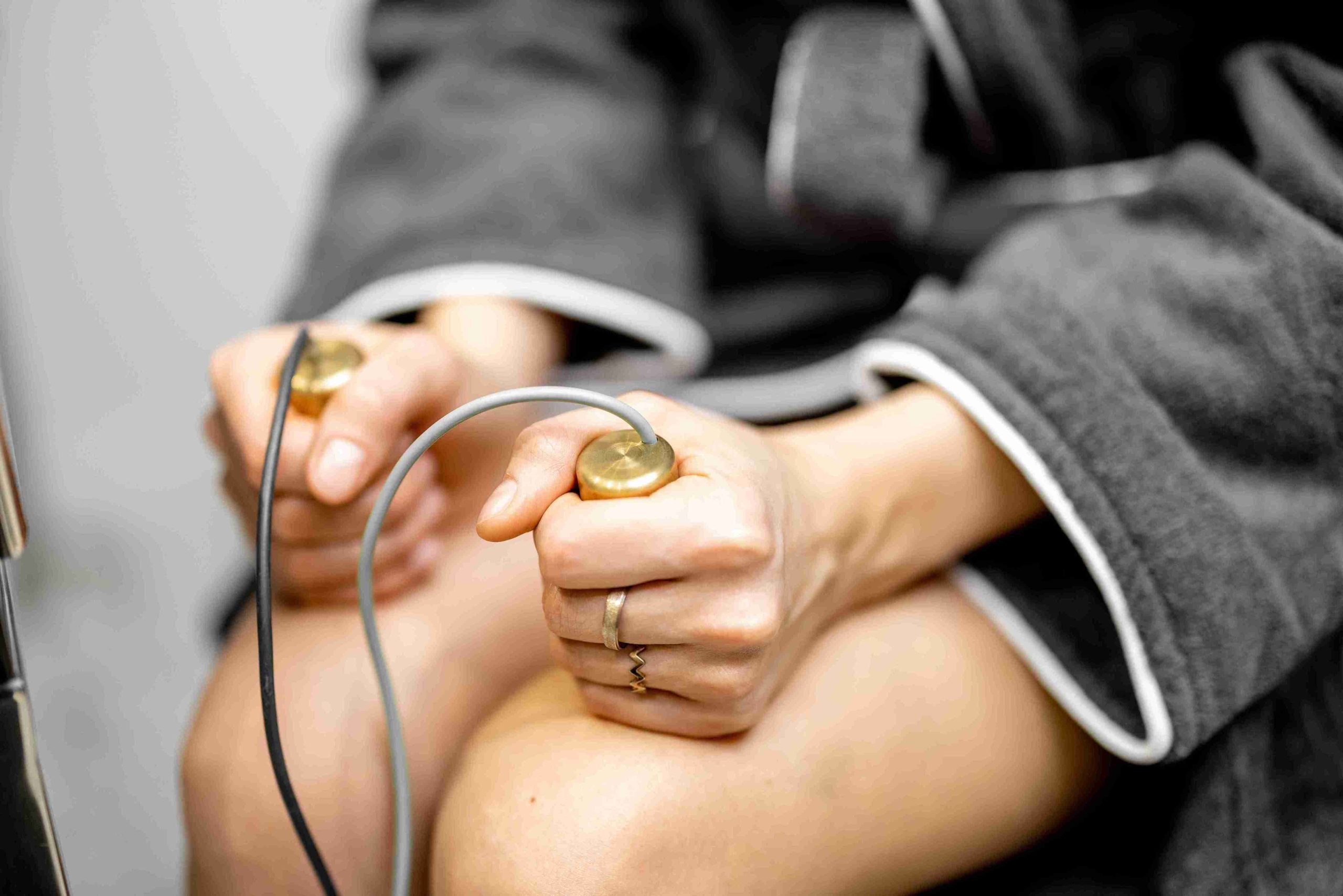
Bioresonance treatment is a device-based complementary approach that practitioners describe as working with electromagnetic signals associated with the body. During a session, electrodes may be placed on the hands, feet, or other areas of the body, allowing the device to detect and deliver electrical signals.
Supporters suggest that the technology may help evaluate or influence certain energetic patterns within the body [3].
Individuals who choose to explore bioresonance therapy should view it as a complementary approach and continue appropriate medical evaluation and treatment recommended by qualified healthcare professionals.
What Is Electro Lymphatic Therapy?
Electro lymphatic therapy is another device-assisted complementary approach. Practitioners generally describe it as using low-level electrical stimulation together with manual techniques intended to support lymphatic circulation and tissue relaxation.
Unlike bioresonance therapy treatment, which focuses on electromagnetic signals, electro lymphatic therapy primarily aims to encourage movement of lymphatic fluid through gentle stimulation. Depending on the practitioner, sessions may also include massage techniques or other wellness interventions.
As with many complementary therapies, ongoing research continues to expand understanding of its potential role within integrative health, where it is typically used alongside conventional medical care [4].
Comparison at a Glance
| Feature | Bioresonance Therapy | Electro Lymphatic Therapy |
| General approach | Device-assisted complementary therapy using electromagnetic signals | Device-assisted therapy using gentle electrical stimulation |
| Primary focus | Proposed energetic assessment or balancing | Proposed support of lymphatic circulation and tissue relaxation |
| Treatment experience | Electrodes placed on the body during a session | Handheld applicators or electrodes moved over targeted areas |
| Role in healthcare | Complementary approach | Complementary approach |
| Scientific evidence | Limited for medical diagnosis or treatment | Limited for many proposed medical applications |
Difference #1: The Underlying Concept
The biggest distinction lies in how each therapy is described.
Bioresonance health therapy is based on the idea that the body produces electromagnetic signals that can be measured or influenced using specialised equipment.
Electro lymphatic therapy, on the other hand, is generally described as applying gentle electrical stimulation with the goal of supporting lymphatic movement and soft tissue function.
Although both therapies involve electronic devices, their proposed mechanisms are different.
Difference #2: Treatment Goals
Practitioners may recommend the therapies for different reasons.
People interested in bioresonance wellness therapy often seek it as part of a broader wellness programme or because they are exploring complementary approaches alongside conventional healthcare.
Electro lymphatic therapy is more commonly presented as a wellness modality intended to support relaxation, circulation, or recovery following physical strain.
The intended goals may vary between clinics, highlighting the importance of discussing expectations before beginning any treatment programme.
Difference #3: What a Session May Involve
Treatment experiences also differ.
A typical bioresonance therapy session usually involves sitting or lying comfortably while electrodes remain attached to the body throughout the appointment. Sessions are generally non-invasive and do not require recovery time.
Electro lymphatic therapy sessions may involve a practitioner moving handheld devices across different areas of the body or combining electrical stimulation with manual techniques. Depending on the provider, session length and treatment protocols may vary.
Difference #4: Evidence and Clinical Acceptance
One of the most important considerations is the current evidence base.
Both therapies are used by complementary health practitioners as part of personalised wellness programmes. As research continues to develop, they are typically incorporated alongside conventional medical care to support a comprehensive approach to health and well-being [5].
For this reason, many professional healthcare organisations recommend using complementary therapies alongside—not in place of—appropriate medical care.
Who Might Consider Complementary Therapies?
Some individuals explore complementary therapies because they wish to:
- Take a more active role in their overall wellness
- Incorporate additional supportive therapies into an existing healthcare plan
- Explore non-invasive wellness approaches
- Discuss complementary options with their healthcare providers
Before beginning any complementary therapy, it is advisable to review your medical history, current medications, and treatment goals with a qualified healthcare professional.
Common Misconceptions
“Complementary Means Proven”
Complementary therapies are increasingly incorporated into integrative healthcare approaches to support overall well-being. Ongoing research continues to build knowledge about their potential roles across different areas of health.
“Natural or Non-Invasive Means Risk-Free”
Even non-invasive therapies may not be appropriate for everyone. Individuals with implanted medical devices, certain medical conditions, or pregnancy should discuss treatment suitability with their healthcare provider.
“Complementary Therapies Replace Medical Care”
Complementary therapies are generally intended to be used alongside conventional healthcare rather than as substitutes for medical diagnosis, emergency treatment, or prescribed therapies.
“One Therapy Is Better Than the Other”
Neither therapy is universally better. They differ in their proposed approaches, intended purposes, and available evidence. The most appropriate choice depends on an individual’s health goals, medical history, and discussions with qualified healthcare professionals.
Questions to Ask Before Starting Therapy
If you are considering bioresonance-based therapy or electro lymphatic therapy, it may be helpful to ask:
- What is the goal of the therapy?
- What evidence supports its use for my situation?
- Will it complement my current medical treatment?
- Are there any risks or reasons I should avoid it?
- What outcomes are realistic to expect?
Open communication with both complementary practitioners and medical professionals can help ensure that all aspects of your healthcare work together safely.
Conclusion
Bioresonance therapy and electro lymphatic therapy are both complementary, device-assisted approaches, but they differ in their proposed mechanisms, treatment goals, and the techniques practitioners use. These therapies are often included as part of a broader wellness approach that also emphasises healthy lifestyle habits and conventional medical care. Ongoing research continues to explore their potential role in supporting overall health and well-being.
Understanding these differences allows individuals to make informed decisions and set realistic expectations. If you are interested in exploring bioresonance therapy or electro lymphatic therapy, discussing your options with a qualified healthcare professional can help ensure that any complementary approach is integrated safely alongside evidence-based medical care [6].
References
- National Center for Complementary and Integrative Health. (2021). Complementary, alternative, or integrative health: What’s in a name? U.S. Department of Health and Human Services, National Institutes of Health. https://www.nccih.nih.gov/health/complementary-alternative-or-integrative-health-whats-in-a-name
- National Center for Complementary and Integrative Health. (2024). Are you considering a complementary health approach? U.S. Department of Health and Human Services, National Institutes of Health. https://www.nccih.nih.gov/health/are-you-considering-a-complementary-health-approach
- Rao, A., Hickman, L. D., Sibbritt, D., Newton, P. J., & Phillips, J. L. (2016). Is energy healing an effective non-pharmacological therapy for improving symptom management of chronic illnesses? A systematic review. Complementary Therapies in Clinical Practice, 25, 26–41. https://pubmed.ncbi.nlm.nih.gov/27863608/
- National Center for Complementary and Integrative Health. (2021). Chronic pain and complementary health approaches: Usefulness and safety. U.S. Department of Health and Human Services, National Institutes of Health. https://www.nccih.nih.gov/health/chronic-pain-and-complementary-health-approaches-usefulness-and-safety
- National Center for Complementary and Integrative Health. (2021). Cancer and complementary health approaches: What you need to know. U.S. Department of Health and Human Services, National Institutes of Health. https://www.nccih.nih.gov/health/cancer-and-complementary-health-approaches-what-you-need-to-know
- National Center for Complementary and Integrative Health. (2024). National Center for Complementary and Integrative Health (NCCIH). National Institutes of Health. https://www.nih.gov/about-nih/nih-almanac/national-center-complementary-integrative-health-nccih
Book a Consultation
It’s easy and free!