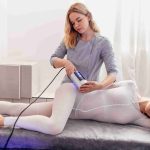
Key Takeaways Many misconceptions about the bioresonance machine arise from misunderstandings about how it is used within complementary healthcare. A bioresonance machine is generally incorporated into personalised wellness programmes alongside lifestyle guidance, nutrition, and other complementary therapies rather than as a standalone solution. Understanding the facts behind common myths can help individuals develop realistic expectations …

Key Takeaways
- Many misconceptions about the bioresonance machine arise from misunderstandings about how it is used within complementary healthcare.
- A bioresonance machine is generally incorporated into personalised wellness programmes alongside lifestyle guidance, nutrition, and other complementary therapies rather than as a standalone solution.
- Understanding the facts behind common myths can help individuals develop realistic expectations before exploring complementary wellness services.
- The bioresonance machine is typically used alongside conventional medical care, not as a replacement for diagnosis or treatment.
Interest in complementary healthcare continues to grow as more people seek personalised approaches to supporting their overall well-being. Alongside this growing interest, the bioresonance machine has become one of the more widely discussed technologies used in complementary health settings [1].
Despite its increasing visibility, the bioresonance machine is also surrounded by misconceptions. Some people believe the bioresonance machine replaces conventional medical care, while others assume it provides instant answers to every health concern or delivers identical experiences for everyone. In reality, these beliefs do not accurately reflect how practitioners typically incorporate the bioresonance machine into broader wellness programmes.
A bioresonance device is generally incorporated into complementary healthcare as one component of a personalised wellness programme that may also include lifestyle recommendations, nutritional guidance, stress management strategies, and other supportive therapies. It is not intended to replace conventional medical diagnosis or treatment.
Understanding the facts behind the most common myths about the bioresonance machine can help individuals make informed decisions and have more meaningful discussions with qualified healthcare professionals.
What Is a Bioresonance Machine?
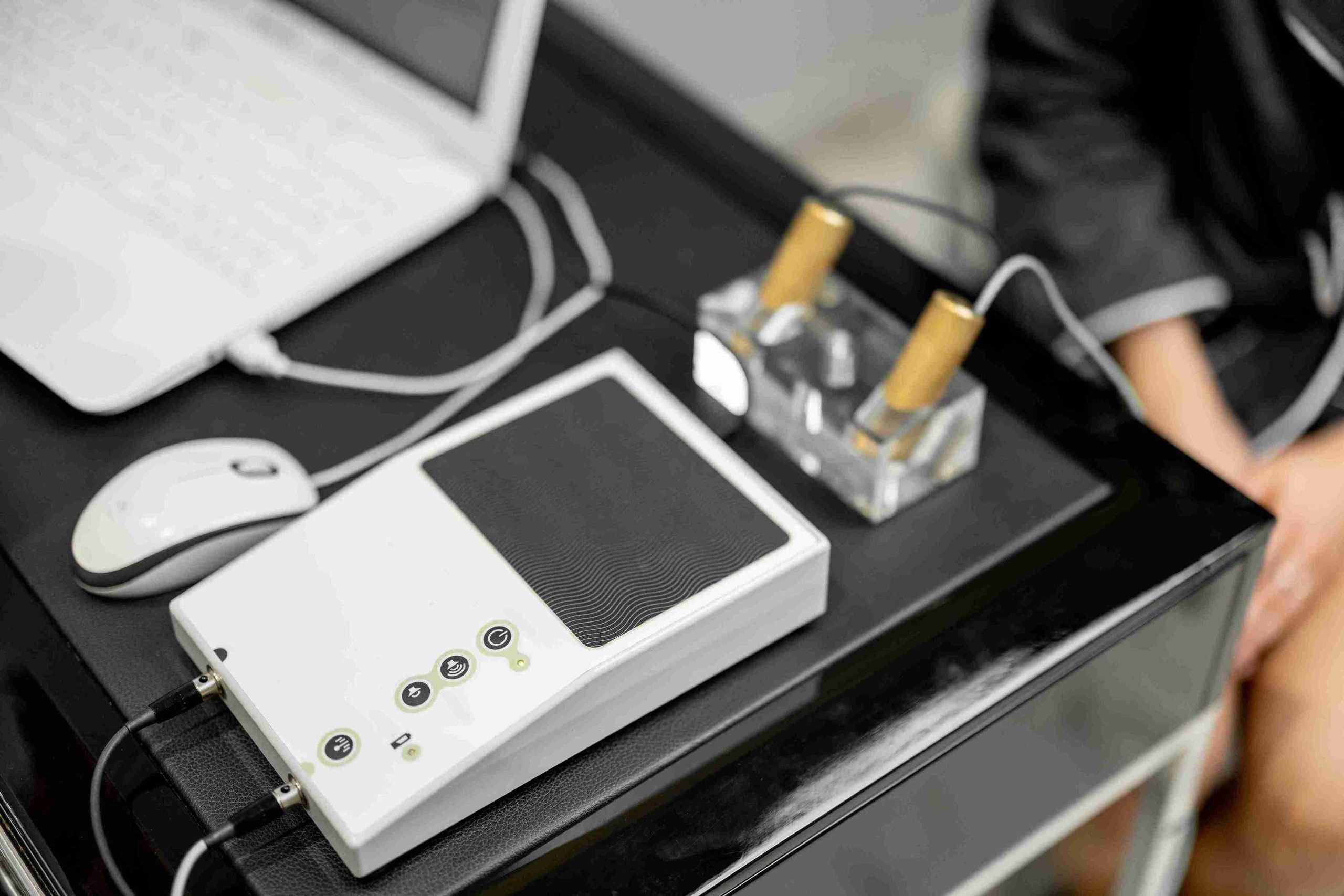
A bioresonance equipment is a device used by some complementary health practitioners as part of personalised wellness assessments and care programmes. Depending on the clinic, the bioresonance system may be incorporated alongside nutritional guidance, lifestyle counselling, stress management techniques, and other complementary wellness services.
Rather than relying solely on the bioresonance therapy machine, practitioners often combine information gathered during consultations with discussions about a person’s medical history, lifestyle habits, wellness goals, and overall health profile to develop an individualised wellness plan.
As with many complementary approaches, individuals are encouraged to continue regular medical care and consult qualified healthcare providers regarding the diagnosis, treatment, and management of medical conditions [2].
Why Are There So Many Misconceptions About the Bioresonance Machine?
Information about the bioresonance therapy device is frequently shared online, where discussions may oversimplify how the technology is used in complementary healthcare. Individual experiences are sometimes presented as universal outcomes, while marketing messages and social media discussions may not always provide the full context.
Understanding how practitioners typically incorporate the bioresonance machine into broader wellness programmes helps separate common myths from realistic expectations.
| Common Myth About the Bioresonance Machine | Reality |
| The bioresonance machine replaces conventional medicine. | It is generally incorporated alongside conventional healthcare. |
| One bioresonance machine session answers every health question. | Consultations are typically personalised and may involve ongoing assessment. |
| Every person receives identical results from a bioresonance machine. | Recommendations vary according to individual circumstances. |
| Healthy lifestyle habits are unnecessary when using a bioresonance machine. | Practitioners commonly emphasise nutrition, sleep, exercise, and stress management. |
| The bioresonance machine is only for people with illnesses. | Some individuals include it as part of a broader wellness routine. |
Myth 1: The Bioresonance Machine Replaces Conventional Medical Care
One of the most widespread misconceptions is that the bioresonance machine is intended to replace doctors, hospitals, medications, or medical treatment.
In practice, those who incorporate the bioresonance machine generally encourage clients to continue seeing their general practitioners and medical specialists. Conventional healthcare remains essential for diagnosing illnesses, prescribing medications, managing emergencies, performing laboratory investigations, and monitoring ongoing medical conditions.
The bioresonance machine is typically incorporated as part of a broader wellness programme rather than serving as a substitute for evidence-based medicine. Maintaining communication between complementary practitioners and medical providers helps ensure individuals receive coordinated care that reflects their overall health needs.
Myth 2: The Bioresonance Machine Can Diagnose Every Health Condition
Another common myth is that a bioresonance machine can provide definitive medical diagnoses for every possible health condition.
Medical diagnosis involves a combination of clinical history, physical examination, laboratory investigations, diagnostic imaging, and professional medical assessment. A bioresonance machine is not intended to replace these established diagnostic processes [3].
Instead, practitioners may incorporate the bioresonance machine as one component of a broader consultation that also considers nutrition, lifestyle habits, environmental factors, stress levels, and personal wellness objectives. Understanding this distinction helps individuals develop realistic expectations before exploring complementary care.
Myth 3: Everyone Gets the Same Results From a Bioresonance Machine
Another frequent misunderstanding is that every bioresonance machine assessment produces identical findings or recommendations.
In reality, complementary healthcare is typically personalised. Two people visiting the same clinic may receive different recommendations depending on factors such as:
- Medical history
- Lifestyle habits
- Sleep quality
- Nutritional patterns
- Stress levels
- Personal wellness goals
Instead of following a standardised approach, practitioners generally tailor recommendations to each individual’s circumstances. This personalised approach is one reason many people choose to explore services that incorporate a bioresonance machine.
Myth 4: The Bioresonance Machine Delivers Results After One Session
Some online discussions suggest that using a bioresonance machine leads to immediate changes after a single session. This expectation can create disappointment if individuals assume that one appointment will instantly address every wellness concern.
In reality, overall health is influenced by many factors, including nutrition, physical activity, sleep quality, stress management, existing medical conditions, and everyday lifestyle habits. Because these factors work together, meaningful improvements in general well-being often develop gradually rather than overnight.
Practitioners who incorporate a bioresonance machine commonly encourage individuals to view it as one component of an ongoing wellness journey that also includes healthy daily habits and regular healthcare.
Myth 5: Lifestyle Habits No Longer Matter When Using a Bioresonance Machine
Another common myth is that regular bioresonance machine sessions eliminate the need for healthy lifestyle choices.
In reality, many practitioners who incorporate a bioresonance machine place significant emphasis on building healthy daily routines alongside complementary wellness services. Recommendations commonly include:
- Eating a balanced and nutritious diet
- Staying physically active
- Prioritising adequate sleep
- Managing everyday stress
- Staying well hydrated
- Supporting long-term healthy lifestyle habits
These recommendations are consistent with widely accepted public health guidance recognising lifestyle as an important contributor to overall well-being [4]. Rather than relying on a single approach, many wellness programmes encourage individuals to combine healthy daily choices with personalised guidance and appropriate medical care.
Myth 6: The Bioresonance Machine Is Only for People Who Are Unwell
Some people believe the bioresonance machine is only used by individuals who already have health concerns.
However, some people explore services that incorporate a bioresonance machine because they want to take a proactive interest in their overall well-being. Similar to nutrition counselling or wellness coaching, complementary services may appeal to individuals who wish to review their lifestyle habits, support healthy routines, or explore personalised wellness strategies.
Many practitioners encourage clients to view the bioresonance machine as one component of a broader wellness plan that complements healthy lifestyle habits and regular medical care.
Myth 7: Research About the Bioresonance Machine Never Changes
Another misconception is that there is no ongoing discussion or research relating to the bioresonance machine.
Healthcare knowledge continues to evolve through ongoing scientific investigation. Like many complementary health approaches, the bioresonance machine continues to be discussed and evaluated within scientific and clinical communities.
Research findings vary depending on the intended application, study design, and methodology, making it important to consider information from reputable healthcare sources and avoid drawing conclusions from isolated reports [5].
Individuals interested in a bioresonance machine are encouraged to discuss questions with qualified practitioners and remain informed about current knowledge in the field.
Myth 8: Using a Bioresonance Machine Means Rejecting Conventional Healthcare
Perhaps the biggest misconception is that people must choose between a bioresonance machine and conventional medicine.
In reality, many individuals who explore services involving a bioresonance machine continue to:
- Attend regular medical appointments
- Participate in recommended health screenings
- Receive vaccinations
- Take prescribed medications when appropriate
- Consult specialists when necessary
For many people, the bioresonance machine forms one part of a broader healthcare approach that also includes evidence-based medicine, preventive healthcare, and healthy lifestyle habits. Open communication between complementary practitioners and conventional healthcare providers supports informed and coordinated care.
Who May Consider a Bioresonance Machine as Part of a Wellness Programme?
People explore services involving a bioresonance machine for many different reasons. Some individuals may be interested in:
- Supporting their overall well-being
- Learning more about healthy lifestyle habits
- Exploring personalised wellness strategies
- Complementing their existing healthcare routines
- Taking a more proactive approach to long-term health
- Receiving holistic wellness guidance
The decision to include a bioresonance machine within a wellness programme is highly individual and should be based on personal health goals, medical history, and discussions with qualified healthcare professionals.
Questions to Ask Before Using a Bioresonance Machine
Before scheduling an appointment, it may be helpful to ask:
- How is the bioresonance machine incorporated into the consultation?
- What services are included in the overall wellness programme?
- How are recommendations personalised?
- What qualifications do the practitioners have?
- How does the clinic encourage collaboration with conventional healthcare providers?
- What role do nutrition and lifestyle habits play alongside the bioresonance machine?
These questions can help individuals better understand how the bioresonance machine fits within the clinic’s overall approach to wellness and ensure expectations are realistic before beginning care.
The Importance of Maintaining Regular Medical Care
Regardless of whether someone chooses to explore a bioresonance machine, maintaining regular medical care remains essential. Individuals should continue to:
- Attend routine health screenings
- Follow recommended vaccination schedules
- Seek prompt medical attention for new or worsening symptoms
- Take prescribed medications as directed
- Maintain regular follow-up with their healthcare providers
Many practitioners view the bioresonance machine as one component of a comprehensive wellness plan that may complement preventive healthcare, healthy lifestyle habits, and ongoing medical care rather than replace them [6].
Conclusion
Misconceptions about the bioresonance machine often arise from incomplete information or unrealistic expectations. While some people believe the bioresonance machine replaces conventional medicine, provides immediate answers to complex health concerns, or works independently of healthy lifestyle habits, practitioners typically incorporate the bioresonance machine into broader wellness programmes that also emphasise personalised guidance, nutrition, stress management, and healthy daily routines.
Recognising these common myths can help individuals make informed decisions about whether a bioresonance machine fits their personal wellness goals. When used alongside appropriate medical care, preventive health practices, and sustainable lifestyle habits, a bioresonance machine may be incorporated into a personalised approach to supporting long-term health and overall well-being.
References
- National Center for Complementary and Integrative Health. (2021). Complementary, alternative, or integrative health: What’s in a name? U.S. Department of Health and Human Services, National Institutes of Health. https://www.nccih.nih.gov/health/complementary-alternative-or-integrative-health-whats-in-a-name
- National Center for Complementary and Integrative Health. (2024). Are you considering a complementary health approach? U.S. Department of Health and Human Services, National Institutes of Health. https://www.nccih.nih.gov/health/are-you-considering-a-complementary-health-approach
- Merck Manual Professional Edition. (2025). Overview of the diagnostic process. https://www.merckmanuals.com/professional/special-subjects/clinical-decision-making/overview-of-the-diagnostic-process
- Centers for Disease Control and Prevention. (2024). About healthy living. https://www.cdc.gov/healthy-weight-growth/about/index.html
- National Center for Complementary and Integrative Health. (2025). Know the science: How to evaluate complementary health information. https://www.nccih.nih.gov/health/know-the-science
- Centers for Disease Control and Prevention. (2024). Preventive health and preventive care. https://www.cdc.gov/chronicdisease/about/preventive-health.htm
Book a Consultation
It’s easy and free!