Key Takeaways Electro lymphatic therapy is being explored by many individuals as a complementary wellness approach that may be incorporated alongside conventional healthcare. People often seek complementary therapies to support overall well-being, healthy lifestyle habits, recovery, and preventive health goals. Electro lymphatic therapy should be viewed as part of a broader wellness plan that includes …

Key Takeaways
- Electro lymphatic therapy is being explored by many individuals as a complementary wellness approach that may be incorporated alongside conventional healthcare.
- People often seek complementary therapies to support overall well-being, healthy lifestyle habits, recovery, and preventive health goals.
- Electro lymphatic therapy should be viewed as part of a broader wellness plan that includes appropriate medical care, healthy nutrition, physical activity, and regular health assessments.
- Anyone considering complementary therapies should consult a qualified healthcare professional to determine whether they are appropriate for their individual health needs.
Preventive health and holistic wellness have become increasingly important as more people seek ways to support their overall well-being. Alongside regular medical care, many individuals are exploring complementary health approaches that align with their personal health goals and lifestyle preferences [1].
More people are exploring electro lymphatic therapy because they are interested in complementary wellness approaches that may support overall health as part of a personalised care plan alongside conventional medical care.
Rather than focusing solely on treating illness, many people are becoming more proactive about maintaining their health through healthy lifestyle habits, preventive healthcare, and complementary wellness services. This growing interest has contributed to increased awareness of therapies that aim to support the body’s natural physiological processes.
While electro lymphatic therapy has gained attention in complementary healthcare settings, it is important to understand what the therapy involves, why people choose to explore it, and how it may fit into a broader wellness strategy.
Understanding the Lymphatic System
The lymphatic system is an important component of the body’s immune and circulatory systems. It consists of a network of lymph vessels, lymph nodes, and organs that help transport lymph fluid throughout the body [2]. Its primary functions include:
- Supporting immune function
- Transporting excess tissue fluid
- Assisting with fat absorption from the digestive system
- Helping maintain normal fluid balance
Unlike the cardiovascular system, which is powered by the heart, lymphatic circulation depends largely on muscle movement, breathing, and normal body activity.
What Is Electro Lymphatic Therapy?
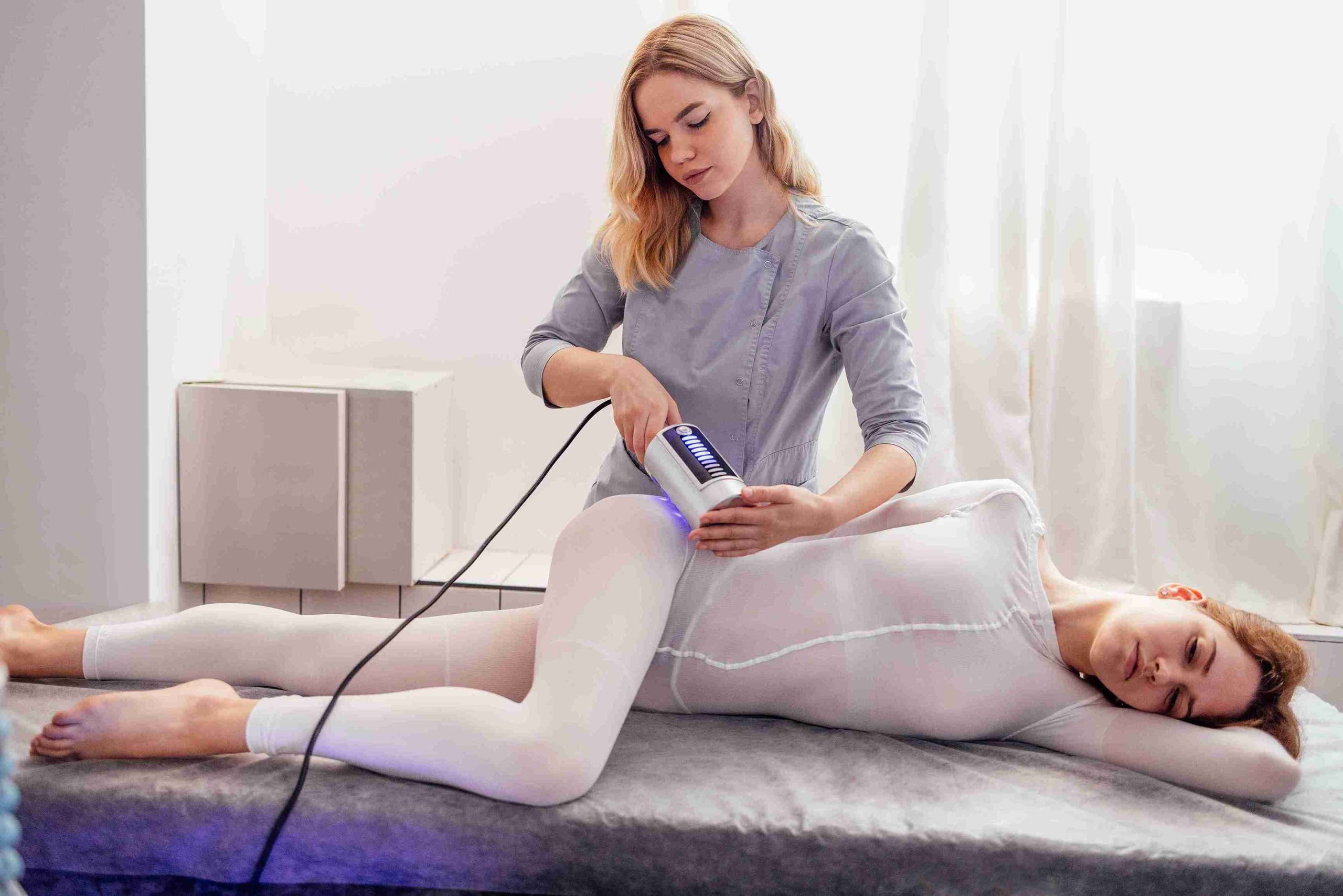
Electro lymphatic therapy treatment is a complementary wellness approach offered by some healthcare providers as part of a broader health programme. Depending on the clinic and treatment goals, it may be incorporated alongside lifestyle counselling, nutritional guidance, and other complementary therapies.
Individuals interested in electro lymphatic therapy often seek it as part of an overall wellness strategy rather than as a replacement for conventional medical diagnosis or treatment.
Healthcare providers typically recommend that complementary therapies be used within an individualised care plan that considers a person’s medical history, current health status, and ongoing medical care.
Why Interest Continues to Grow
Several factors have contributed to the increasing popularity of complementary wellness services. Many individuals today are seeking healthcare approaches that emphasise:
- Prevention
- Personalised care
- Healthy lifestyle habits
- Whole-person wellness
- Long-term health maintenance
This shift has encouraged more people to explore therapies that complement established medical care while supporting broader wellness goals.
Table: Common Reasons People Explore Complementary Wellness Therapies
| Wellness Goal | Examples of Supportive Strategies |
| Preventive health | Regular medical check-ups, healthy lifestyle habits |
| Stress management | Relaxation techniques, mindfulness, exercise |
| Healthy ageing | Balanced nutrition, physical activity, preventive care |
| Overall wellness | Personalised health planning and complementary therapies |
| Recovery support | Lifestyle optimisation under professional guidance |
1. A Greater Focus on Preventive Health
Many people no longer wait until illness develops before paying attention to their health.
Routine medical check-ups, vaccinations, health screenings, and healthy lifestyle habits remain the foundation of preventive healthcare [3]. Alongside these measures, some individuals choose to incorporate electro lymphatic therapy into their broader wellness routines as part of their commitment to maintaining overall health.
Rather than replacing evidence-based medicine, complementary therapies are generally viewed as additional components of a comprehensive wellness plan.
2. Interest in Personalised Healthcare
Healthcare is becoming increasingly individualised.
People recognise that health priorities differ according to age, occupation, lifestyle, family history, and existing medical conditions. As a result, many seek care that considers these individual differences.
Healthcare providers offering electro lymphatic therapy often perform comprehensive consultations that review lifestyle habits, medical history, wellness goals, and current healthcare needs before making personalised recommendations.
3. Supporting Healthy Lifestyle Habits
Complementary healthcare frequently emphasises healthy daily routines. Individuals exploring electro lymphatic therapy sessions are often encouraged to maintain habits such as:
- Eating a balanced diet
- Staying physically active
- Sleeping adequately
- Managing stress
- Staying well hydrated
- Attending routine medical reviews
These lifestyle measures remain central to overall health regardless of whether complementary therapies are incorporated [4].
4. Growing Interest in Holistic Wellness
Many individuals view health as more than simply the absence of disease.
Physical health, emotional well-being, nutrition, sleep quality, stress management, and social engagement all contribute to overall wellness.
Because of this broader perspective, some people explore the electro lymphatic approach alongside other complementary services that focus on supporting multiple aspects of health rather than addressing isolated symptoms.
5. Seeking Additional Wellness Options
Individuals living busy lives often look for practical ways to support their well-being while balancing work, family responsibilities, and personal commitments.
Some people choose electro lymphatic therapy because they are interested in incorporating additional wellness practices into their existing healthcare routines.
Importantly, healthcare professionals generally recommend that complementary therapies be integrated with—not substituted for—appropriate medical evaluation and treatment when necessary.
6. Supporting Recovery and Well-Being
Recovery following periods of physical or emotional stress often involves multiple aspects of self-care. Healthcare providers commonly recommend:
- Adequate rest
- Nutritious eating
- Gradual physical activity
- Hydration
- Stress reduction
- Appropriate medical follow-up
Some individuals also include electro lymphatic therapy within their personalised wellness plans while continuing to follow their healthcare provider’s recommendations.
7. Increased Awareness of Complementary Healthcare
Public awareness of complementary medicine has expanded considerably in recent years.
Greater access to health information has encouraged many individuals to learn about different wellness approaches and discuss them with qualified healthcare providers.
As a result, electro lymphatic therapy has become one of several complementary options that some people consider when developing comprehensive wellness strategies tailored to their personal goals.
8. A Collaborative Approach to Healthcare
Modern healthcare increasingly recognises the value of collaboration between patients and healthcare professionals.
Individuals interested in electro lymphatic therapy are encouraged to maintain open communication with all members of their healthcare team, including their primary care physician and any specialists involved in their care.
This collaborative approach helps ensure that complementary therapies are incorporated safely and appropriately within the context of existing medical treatment [5].
What to Expect During a Consultation
Individuals considering complementary wellness services can generally expect a thorough consultation that may include:
- Review of medical history
- Current medications
- Lifestyle assessment
- Nutrition discussion
- Physical activity review
- Personal wellness goals
- Recommendations for ongoing care
Healthcare providers may also discuss whether electro lymphatic therapy is appropriate based on an individual’s health status and overall treatment plan.
Common Misconceptions
“Complementary Therapies Replace Medical Care”
Complementary therapies are generally intended to work alongside conventional healthcare rather than replace medical diagnosis or treatment.
“One Therapy Works for Everyone”
Health needs vary considerably between individuals. Recommendations should always be personalised according to each person’s circumstances.
“Healthy Lifestyle Habits Are Less Important”
No complementary therapy replaces the importance of balanced nutrition, regular exercise, sufficient sleep, stress management, and preventive healthcare.
“More Treatment Always Means Better Results”
Wellness plans should be individualised and guided by qualified healthcare professionals rather than assuming that more interventions automatically produce better outcomes.
Choosing a Qualified Healthcare Provider
When considering complementary healthcare services, individuals should look for providers who:
- Conduct comprehensive health assessments
- Encourage appropriate medical evaluation
- Explain treatment goals clearly
- Individualise recommendations
- Support evidence-informed healthcare
- Promote healthy lifestyle practices
Selecting qualified professionals helps ensure that complementary therapies are integrated responsibly into an individual’s broader healthcare plan.
Conclusion
Interest in preventive healthcare and holistic wellness continues to grow, leading more people to explore complementary approaches that support their long-term health goals. Electro lymphatic therapy is one such option that some individuals choose to incorporate into personalised wellness plans alongside conventional medical care.
Electro lymphatic therapy is generally incorporated into a broader wellness strategy that also includes preventive healthcare, healthy lifestyle habits, balanced nutrition, regular physical activity, and ongoing medical follow-up [6].
Working closely with qualified healthcare professionals allows individuals to make informed decisions about whether complementary therapies are appropriate for their personal health needs while maintaining a comprehensive and balanced approach to overall wellness.
References
- World Health Organization. (2023). Health promotion. https://www.who.int/health-topics/health-promotion
- National Center for Complementary and Integrative Health. (2021). Complementary, alternative, or integrative health: What’s in a name? U.S. Department of Health and Human Services, National Institutes of Health. https://www.nccih.nih.gov/health/complementary-alternative-or-integrative-health-whats-in-a-name
- World Health Organization. (2023). Health promotion. https://www.who.int/health-topics/health-promotion
- Cleveland Clinic. (2023). Lymphatic System: Function, Anatomy & Common Conditions. https://my.clevelandclinic.org/health/body/21199-lymphatic-system
- World Health Organization. (2023). Integrated people-centred health services. https://www.who.int/teams/integrated-health-services
- National Center for Complementary and Integrative Health. (2024). Are you considering a complementary health approach? U.S. Department of Health and Human Services, National Institutes of Health. https://www.nccih.nih.gov/health/are-you-considering-a-complementary-health-approach
Book a Consultation
It’s easy and free!