No products in the cart.
No products in the cart.
Oral health issues can feel relentless because you deal with them every day. Bleeding gums, bad breath, sore or inflamed gums, burning mouth discomfort, jaw pain, or pain after dental work can make you feel embarrassed, stressed, and constantly on edge. You might be doing all the right things and still not improving. You brush, floss, rinse, see the dentist, and the inflammation comes back.
Some people also feel confused because the problem does not stay in the mouth. They notice headaches, fatigue, body aches, or a general feeling of being run down, especially when dental issues are chronic or after new dental work. Others worry about implants, material sensitivity, or slow healing after extractions and surgery.
At Optimal Health Group, we provide BICOM bioresonance in Singapore as a gentle, non invasive complementary option for dental and oral health support. Our approach is calm and structured. We support gum comfort, recovery after dental procedures, and overall regulation while also considering whether chronic oral inflammation, materials, or dental focus patterns may be adding strain.
Once irritation is chronic, it can flare easily even with good hygiene.
Deep gum pockets, chronic periodontal issues, or poorly settling areas after dental work can keep the system reactive.
Sensitivity to certain dental materials, corrosion, or metal burden can contribute to ongoing irritation in susceptible individuals.
Clenching, TMJ stress, and trigeminal irritation can make discomfort feel stronger.
Stress, poor sleep, toxin load, and overall resilience can affect recovery after extractions or surgery.
Think of the BICOM as a tool that helps us do two things.
(1) Identify what is most linked to your symptom pattern
(2) Support regulation so you feel more stable over time
We start with what is happening in your mouth and how it affects daily life. Bleeding gums, swelling, bad breath, deep gum pockets, loose teeth concerns, burning tongue or mouth irritation, jaw or trigeminal pain, and recovery after dental work. During sessions, we use gentle biofeedback style signals to guide a personalised support approach, including considering material sensitivity patterns and chronic focus patterns when relevant.
We keep it structured and focus on what is most likely keeping you stuck. Common priorities include gum comfort and inflammation patterns, post procedure recovery support, jaw tension patterns, scar or post surgical sensitivity, and elimination support when the system appears overloaded. If you are planning crowns, fillings, or implants, we can also focus on compatibility testing support to reduce uncertainty.
Sessions are designed to support regulation so the mouth feels less reactive and healing feels more supported. The aim is calmer gums, less irritation, better comfort with chewing, less jaw tension, and smoother recovery after procedures.
We monitor practical outcomes: bleeding frequency, gum soreness, swelling, bad breath intensity, oral comfort, jaw tension patterns, pain levels after procedures, and healing progress. Then we adjust based on what improves, not a fixed script.
Bottom line: If your mouth never feels settled and you are tired of repeating the same cycle, start with a Dental and Oral Health Support Assessment. You will leave with clarity on priorities and a conservative plan that feels manageable.

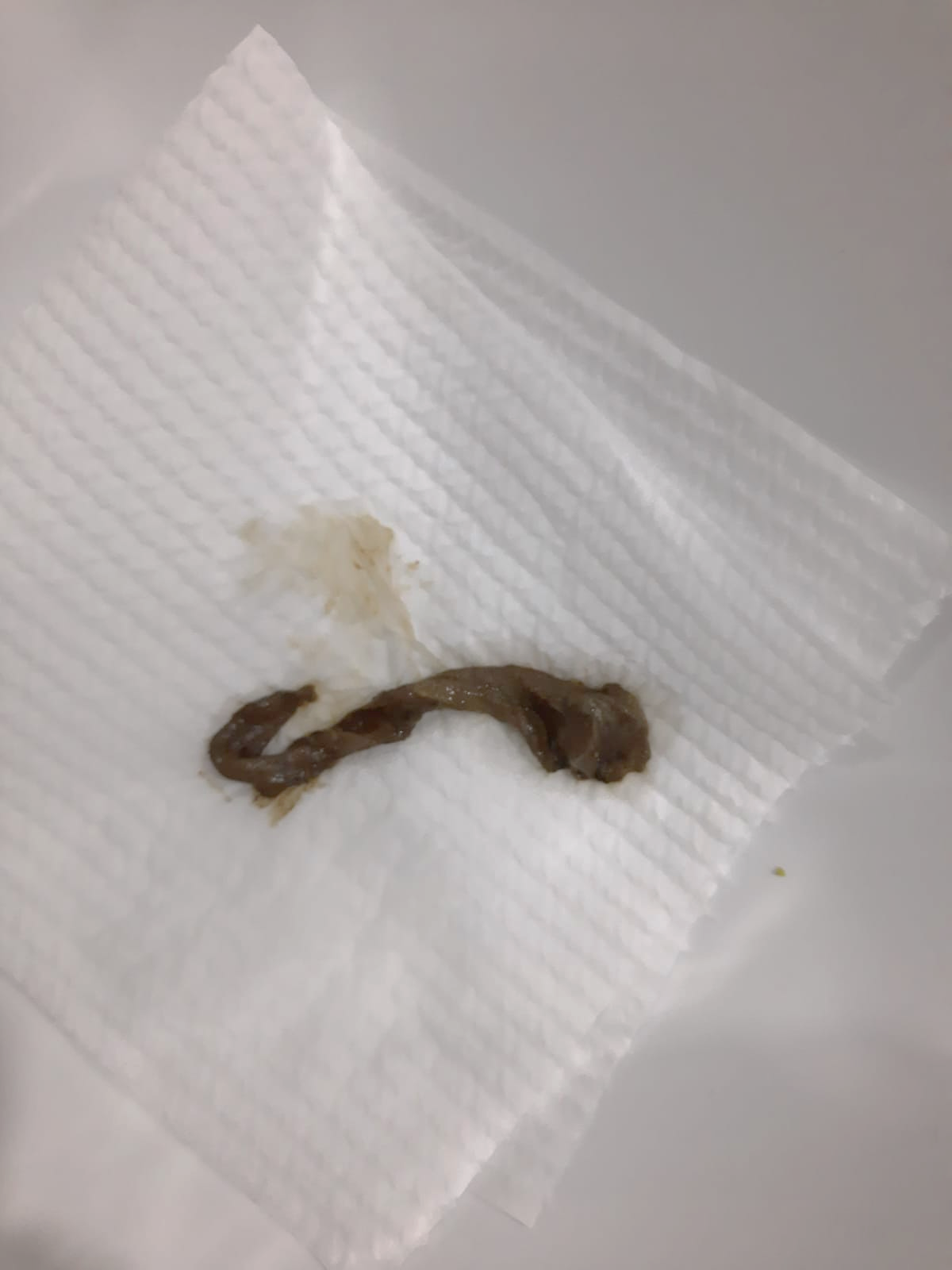
“I felt much less bloated after the gallstones flush! I strongly recommend people who has gallstones to follow this program so that you can skip from the need of surgery!”

“5 years of Abdominal Pain caused by Liver-gallbladder Inflammation detected and solved!”
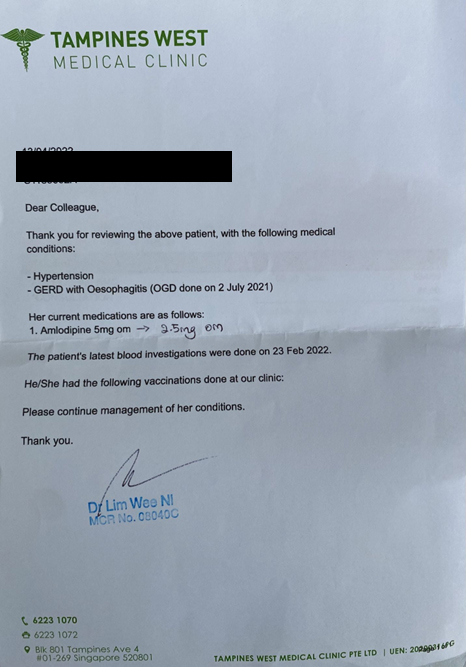
“No more acid reflux, burping and bitterness in mouth caused by hernia!”
Our services are complementary wellness support. They are intended to support regulation, comfort, and day to day functioning and may help with goals such as gum comfort, recovery after procedures, and reduced sensitivity patterns.
We do not provide medical diagnosis and our services are not intended to diagnose, treat, cure, or prevent disease. Dental infections and severe oral symptoms should be assessed by a dentist. If you have rapidly worsening swelling, fever, or breathing or swallowing difficulty, seek urgent medical care immediately.