No products in the cart.
No products in the cart.
Pain wears you down. It drains energy, disrupts sleep, and makes everyday tasks feel harder than they should. Whether it is menstrual cramps, spinal pain, neck tension, or migraines, pain can feel unpredictable and relentless.
At Optimal Health Group, we provide BICOM bioresonance in Singapore as a gentle, non invasive complementary option to support pain management and recovery. Our focus is practical. We map your pain pattern, identify what keeps it going, and build a plan aimed at steadier comfort, better recovery, and fewer flare cycles.
Tension, inflammation load, stress response, and poor recovery can keep it looping.
When you do not rest well, sensitivity increases.
One bad night, one stressful week, one flare can reset the cycle.
You need a plan that targets patterns, not just temporary relief.
Think of the BICOM as a tool that helps us do two things.
(1) Identify what is most linked to your pain pattern and flare triggers
(2) Support regulation so comfort and recovery improve over time
We look at where the pain is, what it feels like, what sets it off, and what makes it ease. We also map the real life impact, such as poor sleep, stress flare cycles, work posture, and how you recover after activity. This creates a clear baseline so you stop guessing.
Pain is rarely just one spot. It is often a loop of tension, inflammation load, stress response, and slow recovery. We focus on the few drivers that are most likely keeping your pain repeating, so the plan stays simple and doable.
Sessions are designed to support regulation so your body can settle and recover better. The goal is fewer flare days, lower intensity, better sleep, and more reliable day to day comfort.
We monitor practical outcomes like pain frequency and intensity, sleep quality, mobility comfort, trigger clarity, and recovery time after activity. Then we adjust based on what improves, not a fixed script.
Small changes that make results stick
Bottom line: If pain is controlling your days, start with a Pain Comfort Assessment. You will leave with clarity on your pattern and a conservative plan that is realistic to follow.
Non invasive and comfortable

“5 years of Abdominal Pain caused by Liver-gallbladder Inflammation detected and solved!”

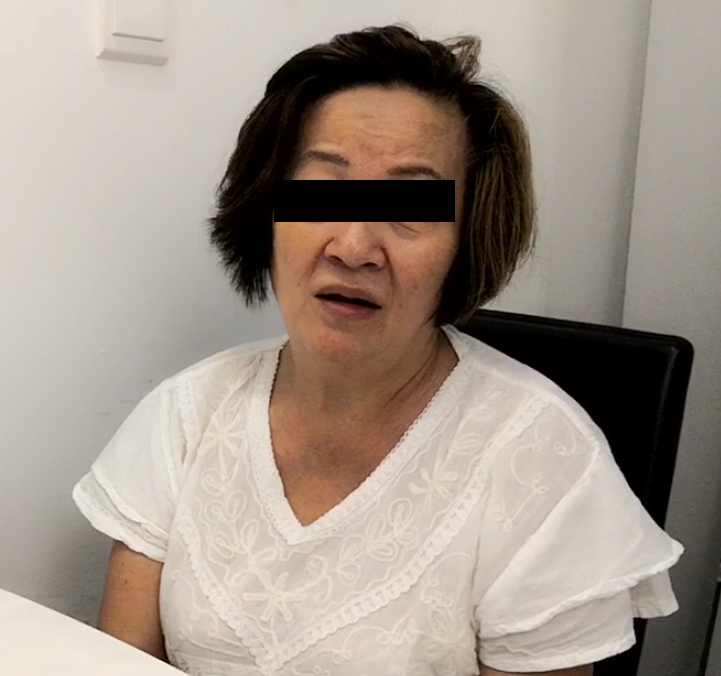
“My frozen shoulder improved and pain around nape subsided which also help me to sleep soundly too!”

“Lost 10kg bodyweight, Still Keeping Weight off, No more disc herniation, No more sciatica, No more knee pain, and No more aches and pain”

Solved chronic anaemia, Lost yellow and pale tint in skin, No more dizzy spells, No more monthly cold and flu, No more Scoliosis in the upper back, No more lower back pain, No more migraine and headache, and Reduced nasal congestion

“We have benefitted a lot by coming to Optimal Health Group. Our problems are mostly cleared!”
Our services are complementary wellness support. They are intended to support comfort and resilience and may help with quality of life goals such as pain comfort, sleep quality, and day to day functioning.
We do not provide medical diagnosis and our services are not intended to diagnose, treat, cure, or prevent disease. If symptoms are severe, persistent, or alarming, consult your doctor.