No products in the cart.
No products in the cart.
If you have tried to quit smoking before, you know the worst part is not “wanting to quit.” It is the moment your body starts demanding a cigarette. The cravings. The irritability. The restless hands. The fear that you will fail again.
Most smokers who come in are not careless. They are tired. They are frustrated. They are scared of withdrawal and relapse. Many have tried patches, gum, medications, willpower, and “this is my last pack” promises. And when it does not stick, it chips away at confidence.
At Optimal Health Group, we provide BICOM bioresonance in Singapore as a gentle, non invasive complementary option for people who genuinely want to stop smoking and want structured support to make it feel more doable. Our approach is calm, practical, and focused on cravings, nervous system regulation, and follow up support around your quit date.
Your brain starts using cigarettes as a fast “off switch” for tension, boredom, or overwhelm.
Cravings, agitation, low mood, and restlessness can hit even when you are fully motivated.
Coffee, alcohol, driving, work breaks, social situations, and stress spikes can pull you back in seconds.
Many people relapse not because they do not care, but because they do not have a plan for the hardest moments.
After failed attempts, people start believing they “cannot” quit, even when they absolutely can.
Think of the BICOM as a tool that helps us do two things.
(1) Identify what is most linked to your craving and relapse pattern
(2) Support regulation so you feel more stable over time
We start with your real smoking history. How much you smoke, when cravings hit hardest, what triggers you, what you have tried before, and what usually causes relapse. We also look at stress level, sleep, and daily routines, because these drive cravings more than people realise.
We do not try to “fix everything” at once. We focus on the few things that usually make quitting fail, such as stress spikes, habitual triggers, and withdrawal reactivity. We also help you set a clear quit date and build a simple plan for the danger moments.
Sessions are designed to support regulation so cravings feel less intense and less controlling. If appropriate, we may use your final cigarette as a reference input for the session, then follow with supportive work aimed at reducing reactivity and supporting recovery routines.
Quitting is a process, not one appointment. We monitor cravings, sleep, irritability, energy stability, trigger exposure, and relapse risk. Then we adjust support based on what you are experiencing in real time.
Bottom line: If you are ready to quit but scared of failing again, start with a Smoking Cessation Assessment at Optimal Health Group. You will leave with a clear plan and structured support around your quit date.

“I felt much less bloated after the gallstones flush! I strongly recommend people who has gallstones to follow this program so that you can skip from the need of surgery!”

“5 years of Abdominal Pain caused by Liver-gallbladder Inflammation detected and solved!”
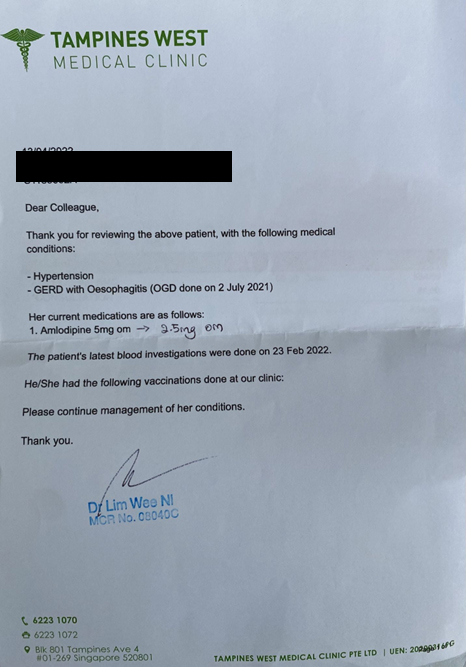
“No more acid reflux, burping and bitterness in mouth caused by hernia!”
Our services are complementary wellness support. They are intended to support regulation, comfort, and day to day functioning and may help with goals such as calmer cravings, improved sleep, and better coping with triggers.
We do not provide medical diagnosis and our services are not intended to diagnose, treat, cure, or prevent disease. If you have significant medical conditions, are pregnant, or feel mentally unwell while quitting, seek advice from a qualified medical professional. If you experience severe chest pain, severe breathing difficulty, or feel unsafe, seek urgent medical attention immediately.