No products in the cart.
No products in the cart.
When your mind will not switch off, life becomes hard in a way other people do not see. You can look “fine” on the outside while feeling exhausted inside. You might be pushing through work, family, and responsibilities, but your body is screaming for rest. Sleep is broken. Thoughts loop. Small things trigger big reactions. You feel tense, irritable, and overwhelmed, and you do not know how to get back to normal.
For some people it becomes physical. Palpitations, chest tightness, shortness of breath, dizziness, nausea, stomach discomfort, headaches, trembling, or feeling like something terrible is about to happen. You may have been told it is “just anxiety,” but it does not feel “just” anything. It feels like losing control.
At Optimal Health Group, we provide BICOM bioresonance in Singapore as a gentle, non invasive complementary option for people who want support with nervous system overload, sleep disruption, panic reactivity, and stress recovery. Our approach is calm, structured, and practical. We focus on helping your system settle so you can feel safer in your own body again.
When stress runs for too long, the system stays switched on, even when you are trying to rest.
Broken sleep makes anxiety louder and recovery weaker.
Once you fear the symptoms, the fear itself becomes a trigger.
When the body is unstable, the mind often follows.
Environment, toxins, food reactions, hormonal shifts, and old stress patterns can stack up and keep you reactive.
Think of the BICOM as a tool that helps us do two things.
(1) Identify what is most linked to your symptom pattern
(2) Support regulation so you feel more stable over time
We start with your real day and night. Sleep quality, anxious thoughts, panic spikes, irritability, emotional overwhelm, sound sensitivity, gut discomfort, energy crashes, and the situations that trigger you. During sessions, we use gentle biofeedback style signals to guide a personalised support approach so we stop guessing and focus on what is most linked to your pattern.
Mental health strain is often a whole body issue, not only thoughts. We keep it structured and focus on the priorities that usually create the most relief first, such as nervous system calming, sleep stability, stress response, gut and recovery patterns when relevant, and reducing the load that keeps your body on edge.
Sessions are designed to support regulation so the body can settle out of constant high alert. The goal is calmer reactivity, fewer panic spikes, improved sleep, steadier energy, and a stronger ability to cope with normal life stress.
We monitor practical outcomes: sleep consistency, anxiety intensity, panic frequency, chest tightness or palpitations patterns, digestion comfort, mood stability, and how quickly you recover after a stressful day. Then we adjust based on what improves, not a fixed script.
Small changes that make results stick
Bottom line: If you are tired of feeling stuck in anxiety, burnout, or panic loops, start with a Mental Health Support Assessment at Optimal Health Group. You will leave with clarity on your pattern and a conservative plan that feels manageable.

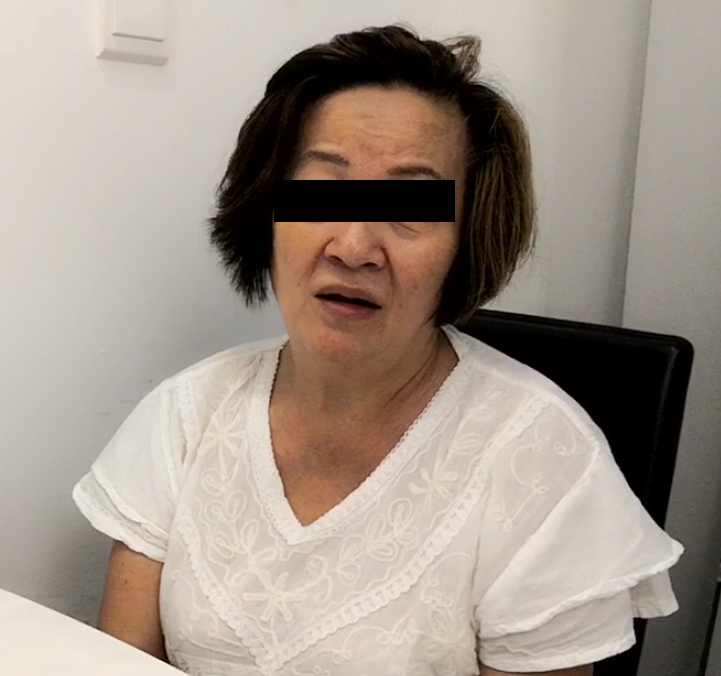
“My condition has improved tremendously. My self esteem is up!”
Our services are complementary wellness support. They are intended to support regulation, comfort, and day to day functioning and may help with goals such as sleep quality, stress resilience, comfort, and recovery stability.
We do not provide medical diagnosis and our services are not intended to diagnose, treat, cure, or prevent disease. Stroke symptoms require urgent medical attention. If you suspect a stroke or have sudden neurological symptoms, call emergency services immediately.